Determining the required bank balance for a USA visa is one of the most confusing—but most important—parts of the application. The United States does not publish fixed financial rules for visitor, student, or work visas. Instead, the consular officer evaluates your overall financial health, your ability to fund your trip, and whether your financial profile shows that you are not a potential overstay risk.
This guide explains exactly how much bank balance you need for different types of USA visas, how officers evaluate your finances, what documents to prepare, and how to present your financial profile during the visa interview.
To help you organize your application, a natural internal link to your Visa Documents Checklist and Visa Requirements Guide is included.
How Much Bank Balance Is Required for a USA Visitor Visa (B1/B2)
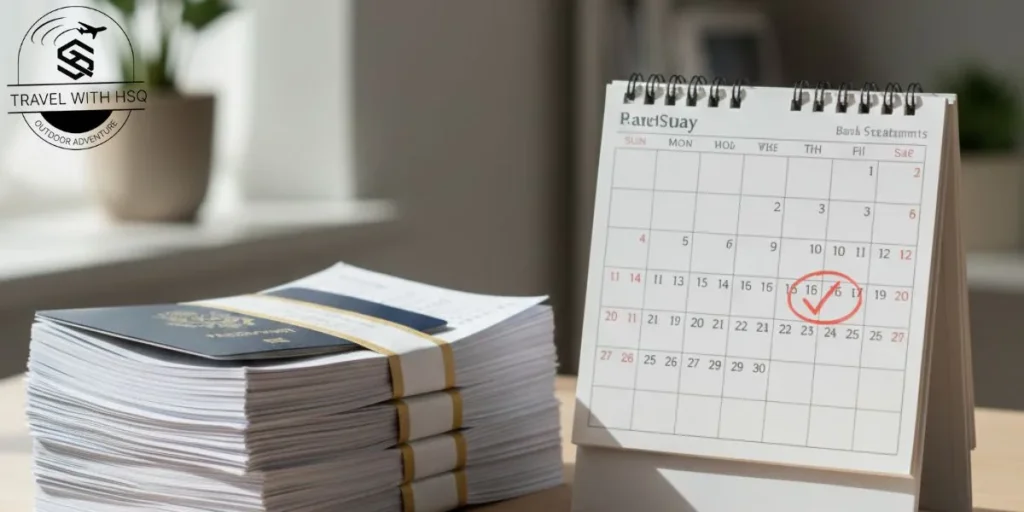
For the USA Visitor Visa (B1/B2), you must show a bank balance sufficient to cover:
- Flights
- Accommodation
- Food
- Travel within the U.S.
- Emergency funds
There is no fixed number, but the general guideline is
Recommended Minimum Bank Balance for B1/B2 Visa
| Length of Stay | Recommended Balance |
| 1 week | $3,000–$4,000 |
| 2 weeks | $5,000–$7,000 |
| 3 weeks | $7,000–$10,000 |
| 1 month | $10,000+ |
These amounts apply per person.
What Officers Actually Check
- Regular monthly income, not just total balance
- Consistency of deposits
- No sudden, unusual large deposits
- Savings built over time
- Your financial responsibility
If Sponsored
If someone in the USA or your home country is sponsoring your trip:
- Their balance should be $8,000–$15,000+, depending on trip length
- You should still show some of your own savings
👉 For a complete document list, see your Visa Documents Checklist
Bank Balance Requirement for USA Student Visa (F1 Visa)
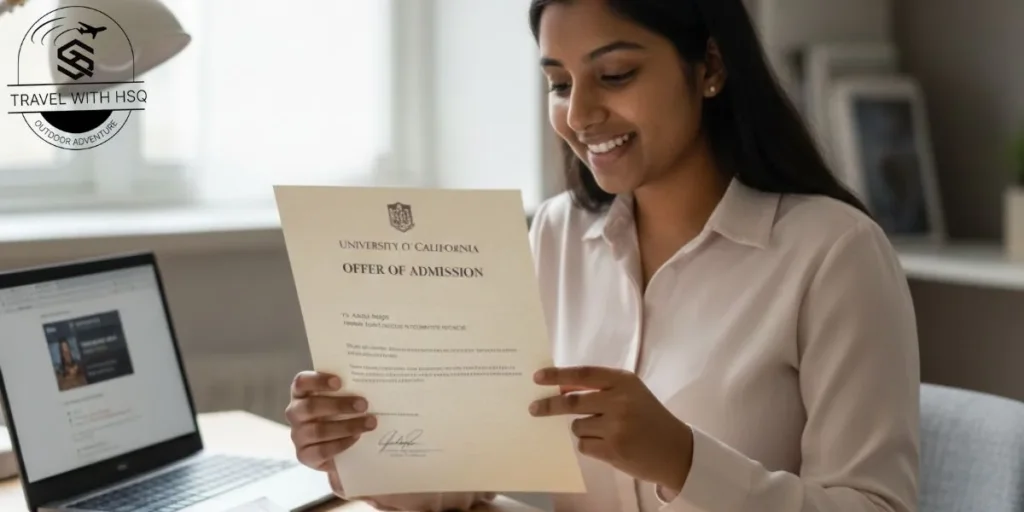
For an F1 student visa, your bank balance must cover:
- First-year tuition fees
- One year of living expenses
- Books, insurance, travel, and emergency funds
Most students need:
$25,000–$45,000 for bachelor’s programs
$30,000–$60,000 for master’s programs
If Sponsored by Parents or Relatives
Your sponsor must show
Consistent, legal income
Bank balance covering full first-year expenses
Evidence they can continue supporting you
If Using an Education Loan
A sanctioned loan is accepted, but you still need:
Partial savings
Proof of sponsor’s income
Financial Documents Required
Bank statements (6 months)
Fixed deposits
Scholarship letters
Loan sanction letters
Bank Balance Requirement for Work Visas (H1B, L1, O1)
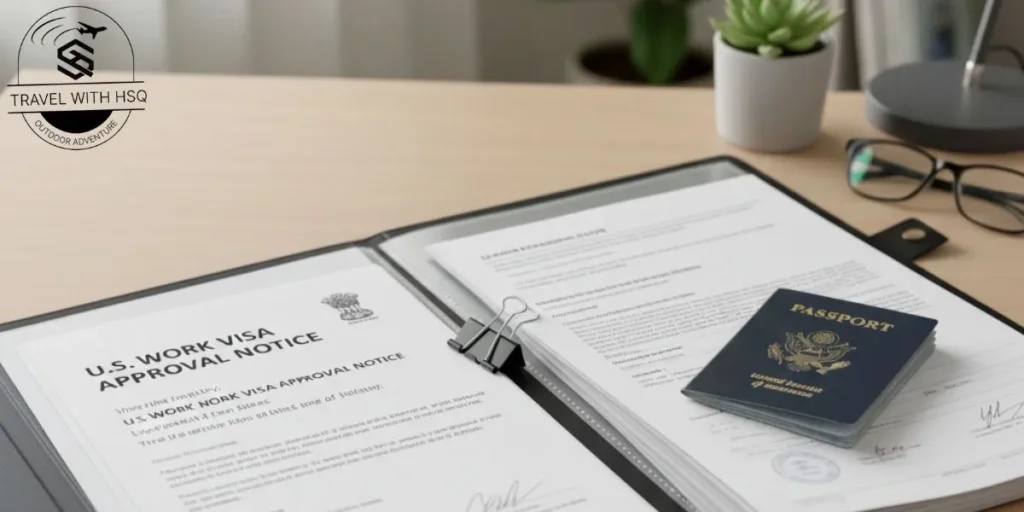
For work visas like H1B, L1, or O1, the U.S. employer covers most expenses. You are not required to show a large bank balance.
Typical Financial Expectations
- At least $3,000–$5,000 in personal savings recommended
- Enough to support yourself during the first month in the U.S.
What Matters More Than Savings
- Employer credibility
- Employment offer validity
- Salary level meeting U.S. Department of Labor standards
- Your financial history (ITR, salary slips)
This category focuses less on bank balance and more on employment verification and job eligibility
Bank Balance Requirement for Family Sponsorship or Visiting Relatives
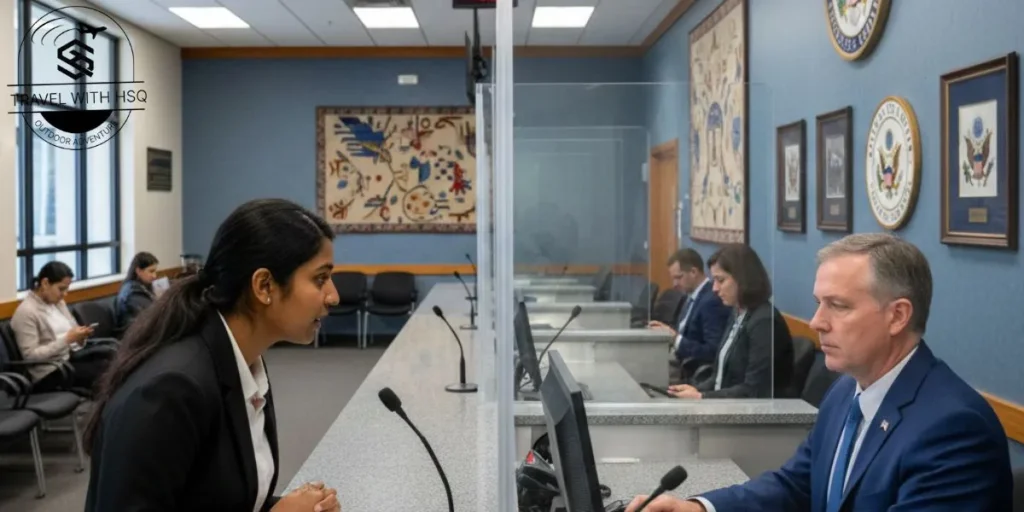
If Family in the USA is Sponsoring
They should show:
- $8,000–$20,000 minimum
- 6–12 months of statements
- Proof of legal status (green card, citizenship, or valid visa)
- Income documents (pay stubs, tax returns)
If You Are Self-Sponsoring
Your own bank balance must still meet general visitor visa requirements:
$5,000–$10,000+, depending on travel duration
Invitation Letter Does NOT Replace Bank Statements
An invitation letter helps explain your purpose but is not a financial guarantee.
Bank Balance Requirement for Group Travel, Business Trips & Conferences
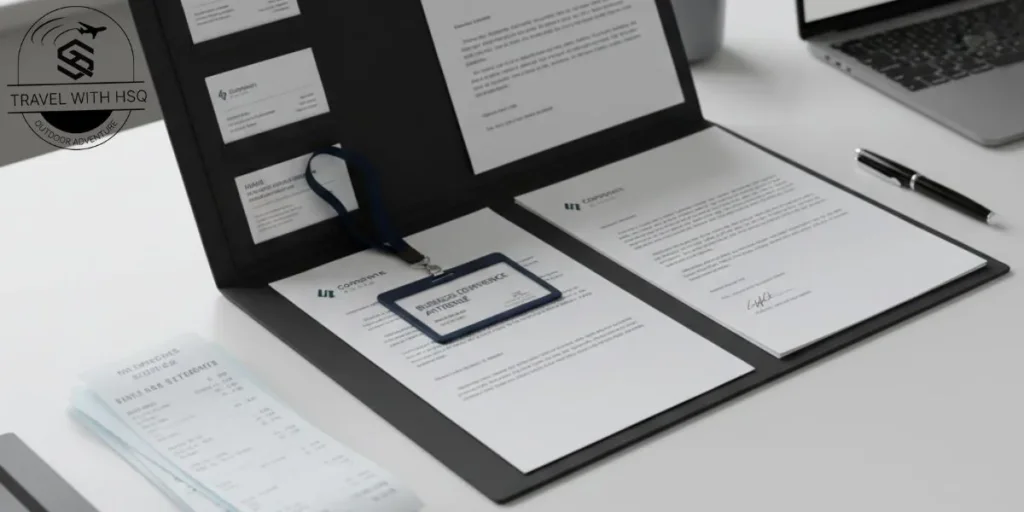
Business travel (B1) or conference visits require a slightly different financial assessment.
If Your Company Pays
The company must provide:
- Official sponsorship letter
- Financial statements
- Proof of employment
- Explanation of conference or business purpose
Company-sponsored travelers only need $2,000–$4,000 in personal savings.
If You Are Self-Funded
Recommended bank balance:
$5,000–$12,000 depending on trip duration and activities
What Officers Evaluate
- Is the trip purpose legitimate?
- Are the documents complete?
- Is your professional background credible?
👉 Review all required papers in the Visa Requirements Guide
What Type of Bank Statement Is Best for a USA Visa?
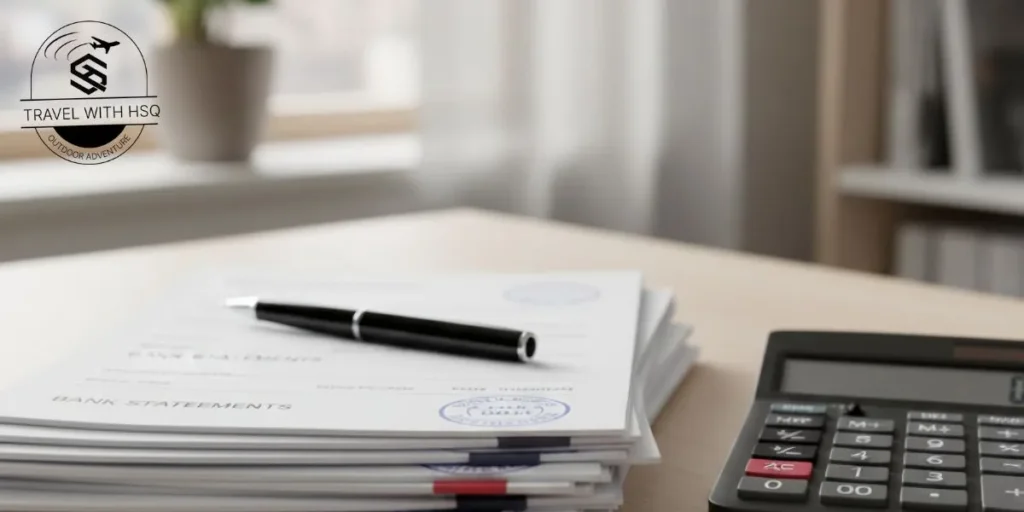
Not all bank statements are equal. The U.S. Embassy prefers statements that show:
✔ Regular Salary Deposits
A consistent income builds trust.
✔ Steady Savings Growth
Shows long-term financial stability.
✔ Clear Financial Activity
Avoid mixed or confusing transactions.
✔ No Large Last-Minute Deposits
This is a red flag indicating borrowed money.
✔ 6–12 Months of Statements
More history = more credibility.
Additional Optional Financial Documents
- Fixed deposits
- Mutual funds
- Gold valuation certificate
- Property valuation (not mandatory)
Final Recommendation: Safe Bank Balance Ranges (2025)
Visitor Visa (B1/B2):
$5,000 – $10,000+
Student Visa (F1):
$25,000–$60,000+ (Based on university)
Work Visa (H1B/L1/O1):
$3,000 – $5,000+
Sponsored Family Visit:
Sponsor: $8,000–$20,000+
Self-sponsored: $5,000 – $10,000+
Conclusion
The USA visa process does not require a fixed bank balance. Instead, the consular officer evaluates the overall financial strength, income stability, genuine travel purpose, and home ties.
A strong bank balance alone cannot guarantee approval—but a weak financial profile almost always leads to rejection.
Prepare 6–12 months of healthy financial
To organize your financial documents perfectly, review:
👉 USA Visa Documents Checklist—/usa-visit-visa-documents-checklist
👉 Visa Requirements for the USA — /usa-visa-requirements-guide
With the right preparation, your chances of approval increase significantly.